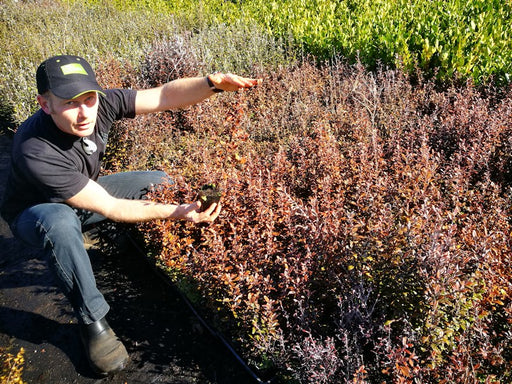
Designing a native garden becomes much easier when plants are grouped into categories based on their growth habits, ecological roles, and landscape functions. Understanding these groups helps you choose combinations that work together, improve your garden’s resilience, and create a cohesive, natural look inspired by NZ’s landscapes.
New Zealand native plants fall broadly into several useful categories:
-
Flax & Similar
-
Grasses & Tussocks
-
Hebes
-
Groundcovers
-
Shrubs
-
Trees
Each category offers unique benefits for structure, soil health, biodiversity, and overall design. Here’s how to use them effectively in any NZ garden.
Why Plant in Categories?
Planting by category isn't just about organisation — it’s a strategy that helps you:
Create structure and layering

Categories naturally align with plant size and form. Using categories makes it easy to build:
-
a strong backbone (trees and shrubs)
-
mid-layer structure (Hebes and flax)
-
ground-level coverage (groundcovers and grasses)
Layered planting mimics natural NZ ecosystems and creates gardens that look full, balanced, and intentional year-round.
Ensure ecological function

Different categories support different wildlife:
-
shrubs and trees provide nesting and berries
-
Hebes supply nectar for pollinators
-
grasses create habitat for insects and cover for lizards
-
groundcovers protect soil and support micro-life
A category-based garden supports a wide range of native species.
Improve soil stability and moisture balance

Root systems vary by plant type:
-
grasses and groundcovers bind surface soil
-
flax has fibrous roots that stabilise slopes
-
shrubs and trees anchor deeper layers
Using categories together strengthens the garden from the ground up.
Choose plants with complementary needs
Plants within a category often share similar water, sun, or soil preferences, making design and maintenance easier.
Plant Categories & Their Benefits
1. Flax and Similar (Harakeke, Libertia, Toetoe, Astelia)

What They Are Known For
Flax and flax-like natives are bold, architectural plants with long, blade-like leaves and strong, clumping growth. They include:
-
Phormium tenax & Phormium cookianum (Harakeke / Flax)

-
Austroderia species (Toetoe)

-
Astelia varieties

- Libertia Varieties

Benefits in the Garden
-
Strong architectural presence — perfect for statement planting, modern gardens, and naturalistic designs.
-
Excellent for stabilising soil — fibrous roots grip slopes, stream banks, and exposed ground.
-
Wildlife value — flax flowers support tūī, korimako, and insects; toetoe provides shelter.
-
Wind and drought tolerant — ideal for exposed, coastal, or open sites.
-
Low maintenance — once established, extremely hardy.
Why They’re Good for Garden Design
Flax and similar plants serve as anchors in the design — bold forms that draw the eye and set the tone. They work brilliantly as feature plants, boundary markers, or structural accents among softer foliage.
2. Grasses & Tussocks (Poa, Chionochloa, Carex)

What They Are Known For
Native grasses and tussocks introduce fine texture, movement, and natural softness. They include:
-
Poa cita (Silver tussock)

-
Chionochloa species (Snow tussocks)

-
Carex (sedges)

Benefits in the Garden
-
Soil binding — their fibrous roots stabilise slopes, banks, and loose soils.
-
Movement and lightness — they sway in the wind, adding dynamism and contrast.
-
Drought-resistant — many are adapted to dry, sunny, windy places.
-
Naturalistic look — essential for recreating NZ tussocklands or wild landscapes.
-
Great fillers — perfect between shrubs, around boulders, or as mass plantings.
Why They’re Good for Garden Design
Grasses soften structural plants like flax and shrubs, making the garden feel more natural and cohesive. They act as transition plants, connecting different layers and adding rhythm throughout the landscape.
3. Hebes (Veronica species)

What They Are Known For
Hebes are iconic NZ shrubs ranging from tiny alpine types to medium-sized garden varieties. Their glossy leaves and colourful summer flowers make them favourites in both modern and traditional landscapes.


Benefits in the Garden
-
Year-round structure — dense evergreen foliage gives the garden backbone.
-
Long flowering periods — many bloom through spring, summer, and early autumn.
-
Pollinator support — bees, butterflies, and hoverflies love Hebe flowers.
-
Compact options — perfect for borders, low hedges, or defining pathways.
-
Wide variety — from alpine miniatures to larger shrubs, there’s a Hebe for every site.
Why They’re Good for Garden Design
Hebes are versatile midsize shrubs that fit easily into most garden styles. They act as reliable foundation plants, bridging the gap between groundcovers and taller shrubs or flax.
4. Groundcovers (Coprosma, Muehlenbeckia, Leptinella)

What They Are Known For
Native groundcovers spread across the soil surface, forming mats, carpets, or low mounds. They include:
-
Coprosma ‘Hāwera’, Coprosma kirkii, Coprosma acerosa

-
Leptinella varieties

Benefits in the Garden
-
Soil protection — groundcovers shield soil from erosion, heat, and weeds.
-
Moisture retention — they shade the ground, keeping root zones cooler.
-
Excellent for slopes — creeping roots help stabilise shallow soils.
-
Low maintenance — once established, they suppress most weeds.
-
Great for filling gaps — between stones, paths, edges, or under shrubs.
Why They’re Good for Garden Design
Groundcovers create continuity and flow, tying garden spaces together. They act as the living mulch layer, visually softening hard edges and blending plant groupings into a cohesive landscape.
5. Shrubs (Coprosma, Corokia, Olearia, Pittosporum)

What They Are Known For
Shrubs form the bulk of NZ’s natural vegetation — hardy, varied, and adaptable. Native shrubs include:
-
Coprosma species

-
Corokia (wire-netting bush)

-
Olearia (tree daisies)

-
Pittosporum varieties

-
Hebe (also counted as shrubs)

Benefits in the Garden
-
Core structure — shrubs form the mid-height layer that shapes the garden.
-
Wind and shelter formation — many natives tolerate coastal, alpine, or dry conditions.
-
Bird habitat — berries, shelter, and nesting opportunities.
-
Huge adaptability — from sun-lovers to shade-tolerant species.
-
Colour & texture — divaricating forms, silvery foliage, rounded shapes, and varied leaf sizes.
Why They’re Good for Garden Design
Shrubs are the engine room of the landscape — they offer durability, structure, reliability, and year-round interest. They unify the design and create planting “rooms” or boundaries within the garden.
6. Trees (Small, Medium & Large Natives)

What They Are Known For
Native trees range from compact, garden-friendly species to stately forest giants. Popular tree choices include:
-
Kōwhai

-
Kānuka & Mānuka

-
Pseudopanax species

-
Pittosporum tenuifolium (small tree form)

-
Ribbonwood, Hoheria

-
Cabbage tree (Cordyline australis)

Benefits in the Garden
-
Shade & microclimate control — trees reduce heat stress and create comfortable garden zones.
-
Erosion control — deep roots anchor soil far more effectively than low plants.
-
Biodiversity value — food, shelter, and habitat for native birds and insects.
-
Long-term structure — trees set the height and spatial framework of the entire garden.
-
Seasonal interest — flowers, berries, changing foliage, and sculptural forms.
Why They’re Good for Garden Design
Trees define the garden’s character and long-term feel. They create vertical interest, frame views, protect from wind, and serve as the architectural canopy under which the rest of the garden thrives.
Designing With Categories — Bringing It All Together
 Using plant categories thoughtfully creates landscapes that are:
-
Ecologically strong — supporting native birds, pollinators and insects.
-
Structurally balanced — with clear layers and natural flow.
-
Resilient — drought-tolerant, low maintenance, and well adapted to NZ conditions.
-
Visually cohesive — each category plays a unique role in the overall composition.
A successful NZ native garden uses categories like building blocks:
-
trees for height and shelter
-
shrubs for structure
-
Hebes for flowers and form
-
flax & grasses for movement and texture
-
groundcovers to tie it all together
This approach delivers garden spaces that look beautiful, function well, and honour New Zealand’s natural landscapes.